The first few weeks with a newborn baby are special, intense, and sometimes a little overwhelming. There’s an overwhelming amount of advice, tips, and opinions about newborns—from family, friends, the internet, and sometimes even strangers at the grocery store. But not everything you hear is actually true. Some ideas about newborn babies have become nothing more than myths.
In this blog, we debunk three common myths and our experienced experts (and moms) explain what really helps during that special early period—especially if you like to carry your baby close to you.
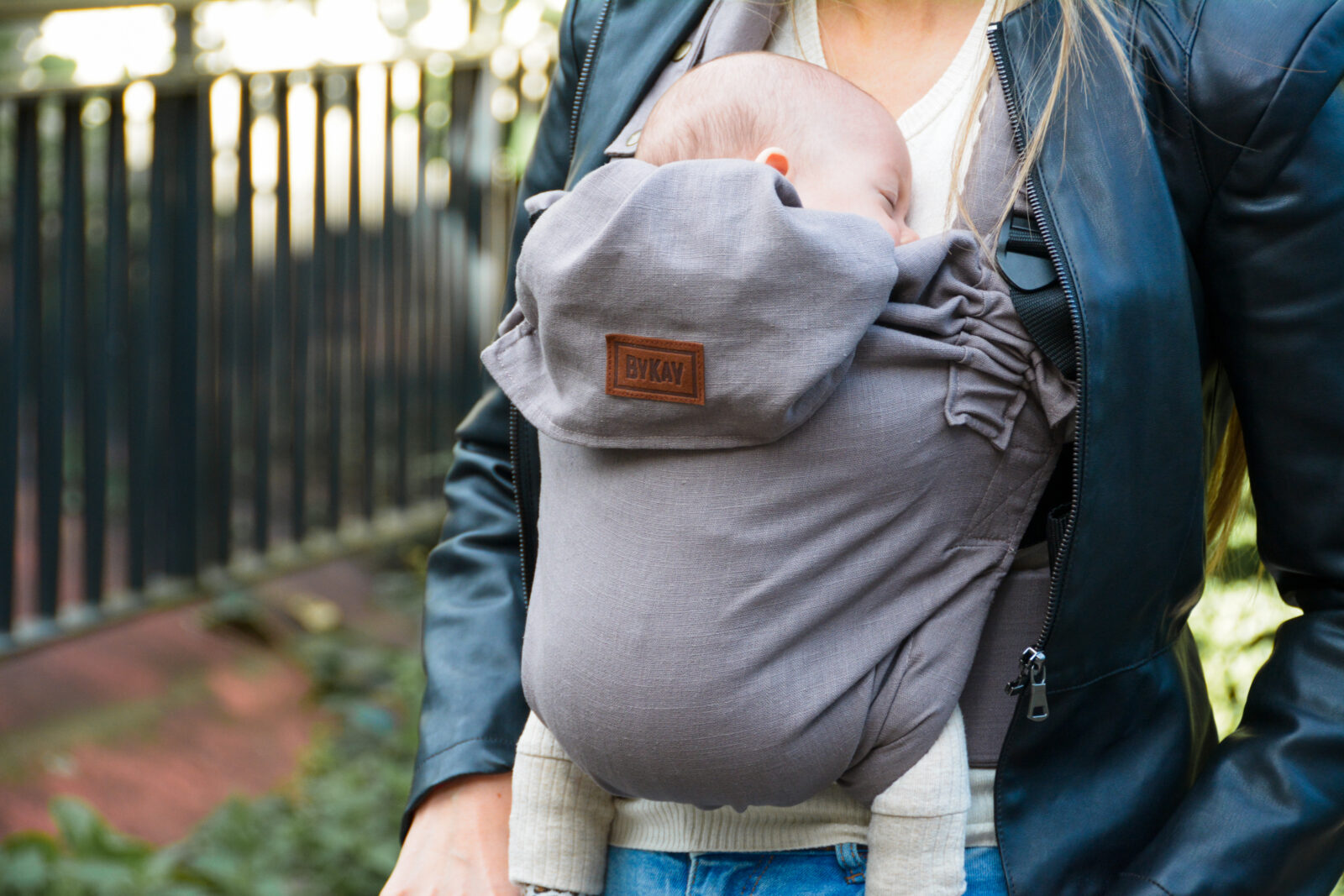
This is perhaps the most well-known myth. Many parents are told that they “shouldn’t get their baby used to being carried or held,” because otherwise the baby might become too dependent. But a newborn baby can’t be spoiled at all. In fact, closeness is a basic need. In the womb, your baby constantly heard your heartbeat and felt your movement and warmth.
After birth, the world suddenly changes dramatically. It makes perfect sense that a newborn would want to be close to you. A baby carrier or sling can be a wonderful solution. Your baby feels your warmth, hears your heartbeat, and moves with your body. This provides comfort and security. And the best part is: while your baby lies contentedly against you, you have your hands free to move around, go for a walk, or simply get on with your day.
Of course, newborns sleep a lot. But the idea that a baby should mainly lie in a crib or playpen isn’t entirely accurate. Newborns are actually designed to be carried. This has been the norm all over the world for thousands of years. Babies sleep, feed, and observe while snuggled close to their parents.
In an ergonomic baby carrier, your baby also sits in a natural position: with a rounded back, knees slightly higher than the buttocks, and the head close to your chest. Many babies actually sleep more peacefully in a carrier. The combination of movement, warmth, and closeness has a calming effect.
It can also be helpful for parents when their baby has trouble falling asleep on their own. Of course, that doesn’t mean a crib isn’t important. But it’s perfectly fine if your baby spends a lot of time snuggled up against you.
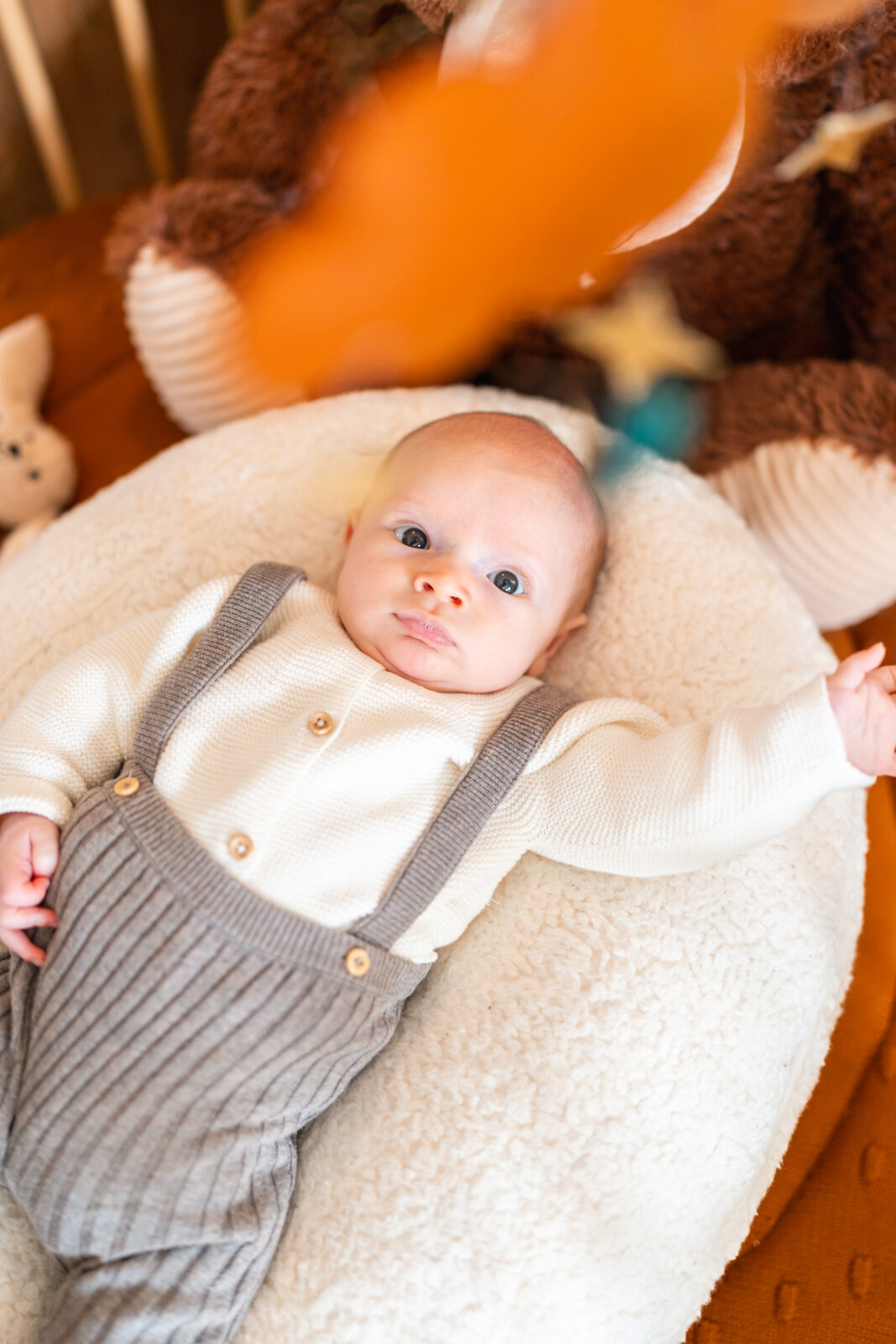
Sometimes parents are advised to let their baby be “independent” from an early age. For example, by letting the baby lie alone more often or picking them up less. But independence actually stems from a sense of security and connection.
When a baby feels safe—because they are held, carried, and comforted—they develop trust. That trust forms the foundation for future independence. So in the first few months, it’s not about letting go, but rather about closeness.
A baby carrier or sling can help with this in a very natural way. Your baby feels safe and secure, while at the same time being able to discover the world around them—right from your arms.
Perhaps the most important message for new parents: trust your instincts. There are many opinions about how you “should” care for a baby. But ultimately, you know your baby best. If your baby calms down when held close to you, that’s not a bad habit—it’s simply a need.
During those early days, babywearing can be a wonderful way to meet that need. It helps your baby relax, supports their natural posture, and brings peace of mind to both of you in a world that’s still so new. And perhaps that’s the best part of all: a newborn really doesn’t need much. Mainly you.❤️
