Here's how to strengthen your bond with your baby when breastfeeding doesn't work out
Breastfeeding, if you can, is the most ideal way to feed your baby. It adapts to your baby's needs and stimulates the production of oxytocin, which helps bond with your baby. But sometimes breastfeeding doesn't work out, for whatever reason. That's okay, mom.
Bottle feeding is a safe and nutritious second option. It also allows you to give your baby everything he needs. And the boost of oxytocin from breastfeeding? You can compensate for that by carrying your baby close to you. Carrying provides the same feeling of closeness, warmth and connection. Just what your baby and you need.
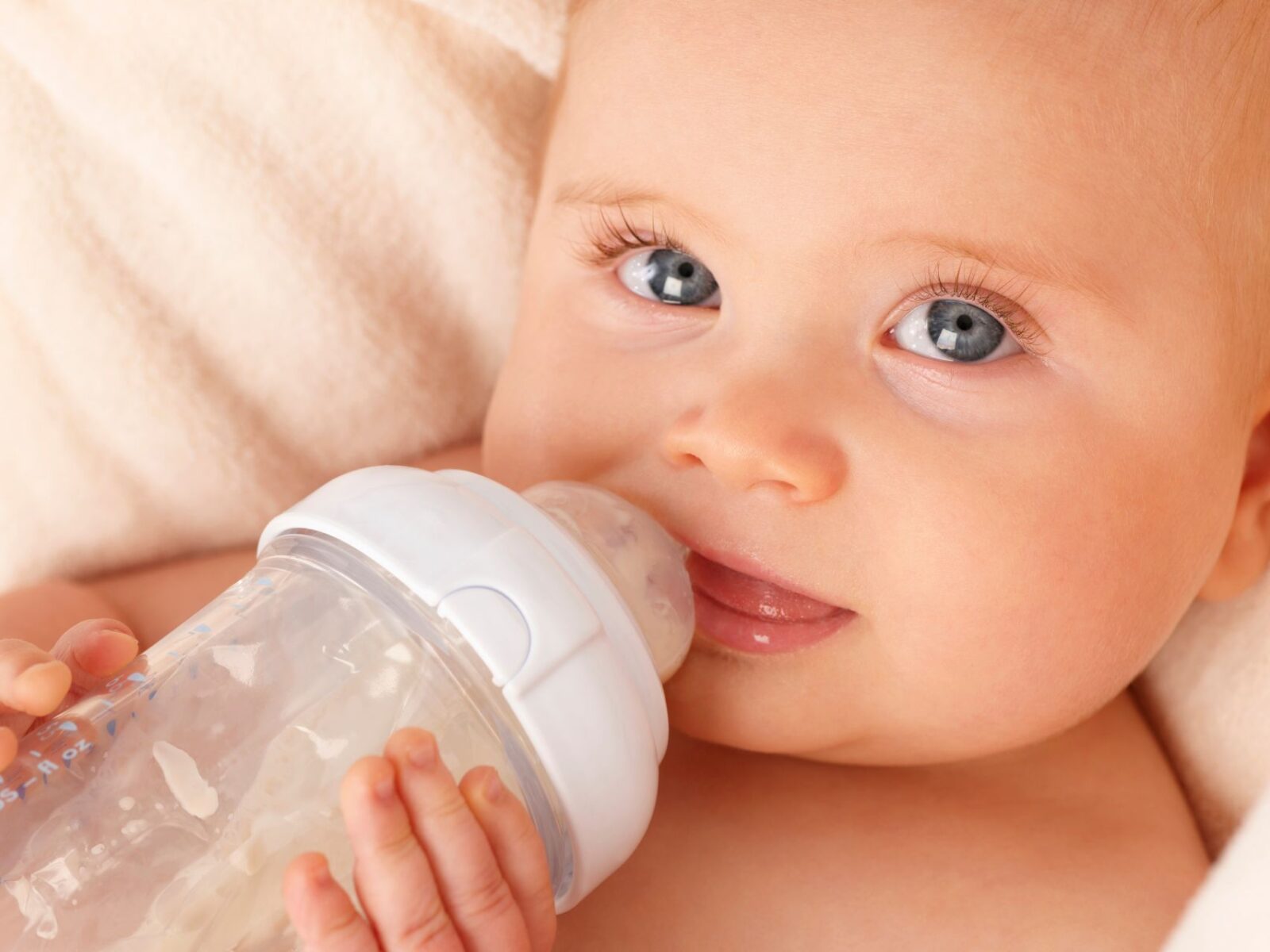
Your baby has no idea whether the milk comes from a breast or a bottle. What your baby does feel is your warmth, your smell, the rhythm of your breathing and the safe sound of your voice. Carrying moments are a wonderful way to give that closeness, as is feeding.
Maybe you sit with a bottle at night, maybe you rock gently around the house during the day. Either way, your baby feels over and over again: you are there. That is attachment exactly.
In a sling or baby carrier, your baby is close to you, exactly like breastfeeding. Your baby hears your heartbeat, feels your skin and can see your facial expression. This gives peace, confidence and a feeling of coming home for both of you.
Did you know that carrying stimulates the production of oxytocin? That's the cuddle hormone, which is also released during breastfeeding. It provides relaxation, reduces stress and strengthens the bond between parent and child.
Maybe you cuddle with your baby in the sling after the bottle. Maybe you cradle him to sleep in the baby carrier right after feeding. However you do it, your body makes that same loving hormone.
The first few months with a baby are intense. You live in a rhythm of feedings, naps, diapers and lots of love. Carrying often makes that rhythm a little smoother and more practical.
Your baby may experience more cramps due to bottle feeding. Babies who suffer from reflux or cramps often love to be carried after the bottle. Carrying upright after feeding helps with digestion. Close to you, in a vertical position. The gentle cradle, your breathing and the warm environment help calm their tummy.
Some parents even feed their baby in an ergonomic baby carrier. This can be fine during a walk or when you are on the go, as long as you pay close attention to safety. Make sure you have plenty of breathing room and good posture. Your baby's face should always remain visible and the chin should not sink onto the chest.
Maybe you recognize this: it's three in the morning, you're sitting in the semi-darkness with a bottle in your hand and a half-asleep baby against your chest. Your eyes are heavy, but your heart is full. In those moments, no method or opinion counts, only your baby who needs you.
Whether you breastfeed or bottle feed, carry your baby in the baby carrier or fall asleep together on the couch. these are the moments when bonding occurs. In the ordinary, in the gentle and in the repetition of each touch.
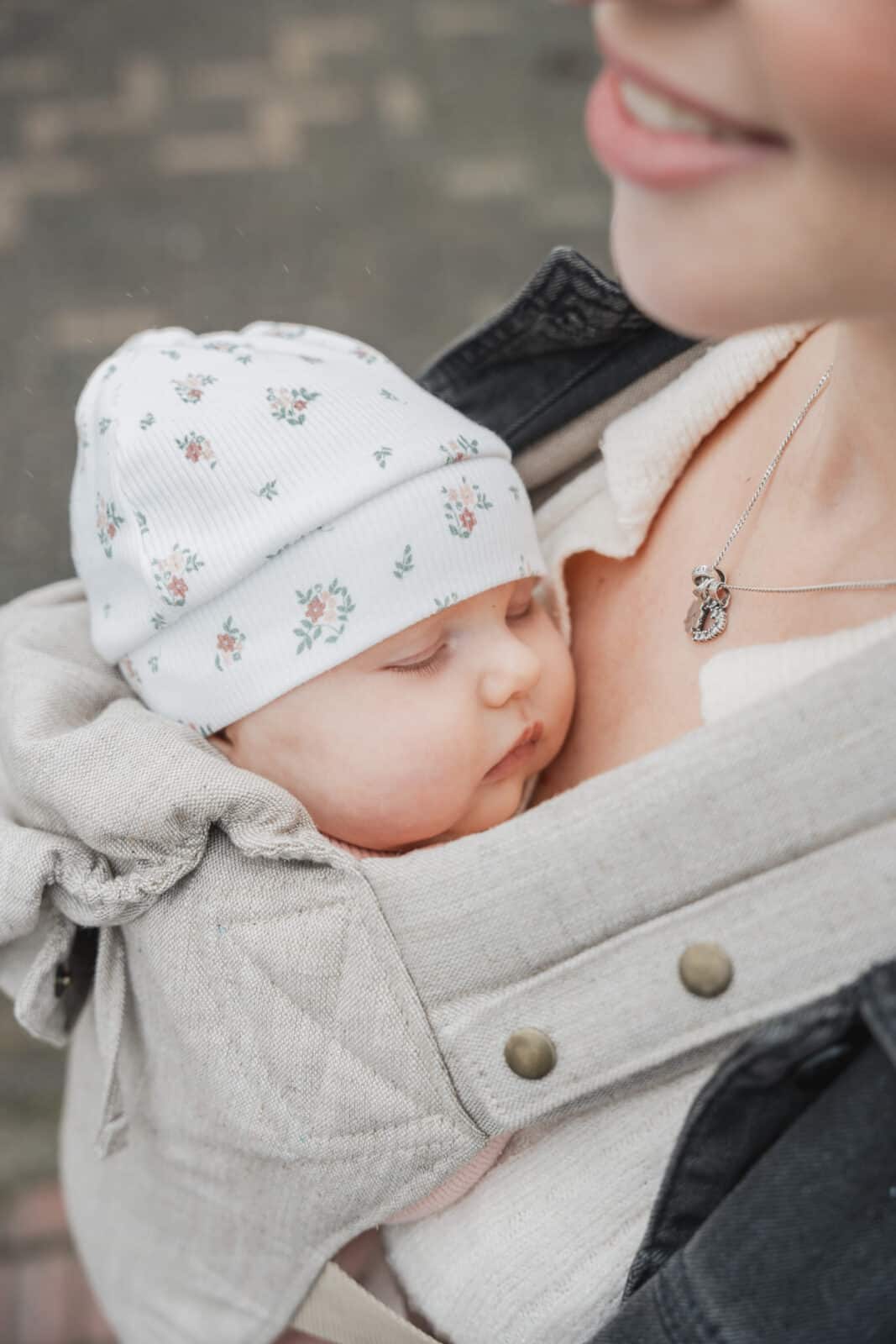
At ByKay, we believe that no matter how you feed, every parent deserves the chance to experience that closeness. Our slings and baby carriers are made to offer you and your baby comfort, security and freedom. So you can do what suits you: feed, carry, cuddle, explore.
Because bonding is not about perfection or one right way. It's about loving closeness, all the time. No matter if you're breastfeeding or bottle-feeding, close to you is always the safest place.